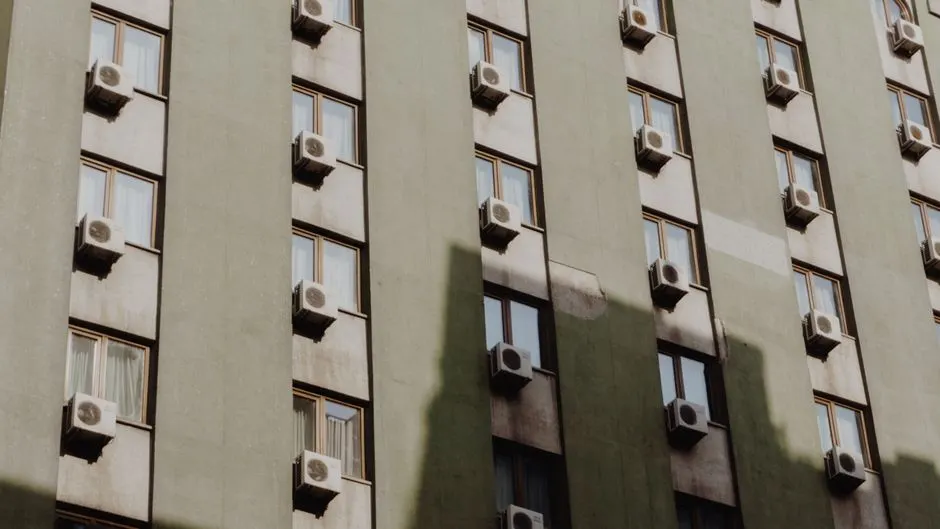
Your AC smells like mildew when it turns on because mold and mildew are growing on the wet surfaces inside the system - most often the evaporator coil, the drain pan, or the duct liner - and the blower pushes those spores into your rooms every time it starts. The smell is strongest in the first 30 to 60 seconds because that is when the fan moves the highest concentration of spores off the coil. In Hallandale, where relative humidity sits above 70% most of the year, that growth happens faster than most homeowners expect. This article covers why it happens, where it hides, what it does to your air, and how to get rid of it.
The short answer: mold is growing inside your AC
Why does your AC smell like mildew when it turns on in Hallandale is a question about biology, not just about your equipment. An air conditioner does two things at once: it cools the air and it pulls moisture out of it. That moisture has to go somewhere. It condenses on the evaporator coil, drips into a pan, and drains out through a condensate line. When any part of that path stays wet for more than about 24 to 48 hours, mold spores - which are already in every home's air - settle and colonize.
Mildew is the early, surface-level stage of that growth. It looks like a gray or black speckled film and smells like wet cardboard, dirty socks, or a damp basement. Once you smell it coming out of a supply vent, the colony is established enough to release spores into the airstream. A clean AC does not smell like anything.
Why Hallandale's climate makes AC mildew worse
Hallandale's climate makes AC mildew worse because the system runs almost year-round and never gets a dry season long enough to kill off surface growth. From May through October, outdoor humidity in Broward County routinely runs 75% to 85%. Your AC is removing 5 to 15 gallons of water a day from the air in a typical 1,500-square-foot condo. That is a lot of moisture moving through a small metal box.
Two local factors push it further:
- Coastal salt air. Homes east of Federal Highway, especially near Golden Isles and the beachside towers, deal with salt-laden air that corrodes coil fins and drain pans. Pitted metal holds water longer and gives mold a better grip.
- Older ductwork. A large share of Hallandale housing stock was built between the 1960s and 1980s. Original duct liner in those buildings is often fiberglass, which stays damp and feeds mold once it is wet.
We see this pattern constantly in mold remediation in Golden Isles Hallandale, where canal-front homes keep their ACs running at low fan speeds that never dry the coil between cycles.
The five places mildew smell hides in your system
Mildew smell hides in five predictable places in a Hallandale AC system, and finding the right one is the difference between a $200 cleaning and a $2,000 duct replacement.
- The evaporator coil. This is the cold, wet finned surface inside the air handler. It is the number one source. A coil that has not been cleaned in three or more years will have visible biofilm on the fins.
- The drain pan. Standing water in a pan with a partially blocked drain line is a mold farm. If your pan holds water more than an hour after the system shuts off, the drain is restricted.
- The condensate drain line. A slimy pink or black film builds up inside the PVC. When it clogs, water backs up into the pan and eventually into the duct or ceiling.
- The duct liner. Fiberglass insulation inside the ducts absorbs moisture. Once it is damp, it stays damp, and no amount of coil cleaning will fix the smell.
- The blower compartment and filter slot. A wet filter, or a filter slot that has been bypassing air for years, lets humid attic or garage air get pulled straight into the system.
If you are not sure which one is the source, mold inspection Hallandale with moisture mapping and coil photography will tell you in about 45 minutes.
Is AC mildew smell dangerous in Hallandale Florida?
Is AC mildew smell dangerous in Hallandale Florida? For most healthy adults, short-term exposure causes irritation - headaches, a scratchy throat, sneezing, and worsened allergies - but is not a medical emergency. For infants, seniors, and anyone with asthma or a compromised immune system, the same exposure can trigger real respiratory episodes.
The concern is not the mildew itself. It is what comes with it. The most common species we find on wet AC coils in South Florida are Cladosporium, Penicillium, and Aspergillus. All three are allergenic. Stachybotrys - the black mold people worry about - needs sustained cellulose moisture and is more often found in the drywall or cabinet under a leaking air handler than on the coil itself.
If you have had the smell for more than two weeks and anyone in the home is waking up congested, that is your signal to stop guessing and get the air tested. air quality and mold testing Hallandale gives you a spore count comparison between indoor and outdoor air, which is the only way to know whether the AC is actually loading your rooms.
How to get rid of mildew smell from AC in Three Islands Florida
How to get rid of mildew smell from AC in Three Islands Florida comes down to three steps: kill the growth, dry the surfaces, and stop the moisture from coming back. Cleaning the filter alone will not do it. Here is the sequence that actually works.
Step 1: Kill the growth on the coil and pan
Turn the system off at the thermostat. Open the air handler and apply an EPA-registered antimicrobial coil cleaner to the evaporator fins and pan. Let it dwell for the full contact time on the label - usually 10 minutes. Rinse with the pan drain flowing freely. If the drain line is clogged, clear it before you rinse or you will flood the closet.
Step 2: Dry the system completely
Run the fan in "on" mode for 2 to 4 hours with the cooling off. This pulls room-temperature air across the wet surfaces and dries them. In Hallandale, this step matters more than the cleaning itself - mold returns in 48 hours on a surface that stays wet.
Step 3: Fix the moisture source
Common fixes we make on Hallandale jobs:
- Re-level the air handler so the pan drains fully - a 1/4-inch pitch toward the drain is the target.
- Replace a clogged 1-inch filter with a MERV 8 pleated filter and change it every 60 days in summer.
- Add a condensate pan tablet or UV lamp if the coil stays wet between cycles.
- Seal the filter slot and any return-air gaps with mastic, not tape.
If the duct liner is the source, cleaning will not fix it. That is when we move to professional mold removal Hallandale and replace the affected duct runs rather than trying to sanitize wet fiberglass.
Common mistakes that make AC mold smell worse
Common mistakes make AC mold smell worse by feeding the colony instead of removing it. The five we see most often in Hallandale:
- Spraying air freshener into the return. This masks the smell for a day and adds a food source for mold.
- Running the fan continuously. If the coil is wet and dirty, running the fan 24/7 spreads spores through the whole house instead of drying the coil.
- Using a cheap 1-inch fiberglass filter. It catches almost nothing and lets dust reach the coil, where it becomes mold food.
- Closing vents in unused rooms. This raises static pressure, reduces airflow across the coil, and keeps the coil wetter longer.
- Setting the thermostat above 78°F during the day. The system short-cycles, the coil never fully dries, and mildew wins.
If you have already tried two or three of these and the smell is still there, the growth is inside the coil or ductwork and needs to be physically removed, not treated. A mold remediation company Hallandale can pull the coil, clean it in place with containment, and verify the result with post-remediation air sampling.
When to call a professional
Call a professional when the mildew smell returns within a week of cleaning, when you can see visible growth on the coil or duct liner, or when anyone in the home is reacting to the air. Those three signals mean the problem is bigger than a filter change.
Our team at Mold Remediation Service Hallandale handles the full sequence: we find the moisture source, remove the mold from the coil, pan, and ducts, dry the system, and verify with clearance testing so you know the air is clean before we pack up. Most Hallandale condo jobs take one day. Homes with duct replacement run two to three days.
Frequently Asked Questions
Why does my AC smell like mildew in Hallandale?
Mold is growing on a wet surface inside the system - usually the evaporator coil, drain pan, or duct liner. Hallandale's year-round humidity above 70% keeps those surfaces damp long enough for spores to colonize, and the blower pushes the smell into your rooms on every startup.
Is AC mildew smell dangerous in Hallandale Florida?
For healthy adults, it usually causes irritation, headaches, and allergy flare-ups rather than serious illness. For infants, seniors, and people with asthma, exposure can trigger respiratory episodes. If the smell has lasted more than two weeks, get the air tested.
How do I get rid of mildew smell in my AC in Hallandale?
Clean the coil and pan with an EPA-registered antimicrobial, clear the condensate drain, run the fan 2 to 4 hours to dry the system, and fix the moisture source - usually a clogged drain, a wet filter, or a mis-leveled pan. If the smell returns within a week, the growth is in the duct liner and needs professional removal.
Can mold grow in AC units in Hallandale?
Yes - AC units are one of the most common mold habitats in South Florida. The coil stays wet 8 to 12 hours a day during cooling season, the pan holds standing water when drains clog, and fiberglass duct liner absorbs humidity. All three support mold growth within 48 hours of getting wet.
Who should I call for AC mold smell in Hallandale Florida?
Call a licensed mold remediation company, not just an HVAC tech. An HVAC tech can clean the coil, but mold inside the ducts, pan, or surrounding drywall needs containment, removal, and clearance testing. We handle all three in one visit.
Get help with Mold Remediation Service in Hallandale
If your AC is blowing that musty smell every time it kicks on, we can find the source, remove the growth, and verify the air is clean. Call Mold Remediation Service Hallandale at (833) 929-5837 and we will schedule an inspection - most Hallandale jobs are handled same week.