Your house still smells musty after cleaning because the odor is not coming from dirt, dust, or stale air - it is coming from active mold growth hidden inside your walls, under your floors, or inside your HVAC system, and no amount of surface cleaning reaches it. In Hallandale, where indoor humidity regularly sits above 60% for most of the year, that hidden growth keeps producing the same musty odor no matter how many times you mop, wipe, and spray.
This post explains exactly why that happens, where the smell hides in Hallandale homes and condos, how to test for mold when cleaning does not work, and when it is time to bring in a professional.
Why does my house smell musty even after cleaning in Hallandale?
Musty odor in a Hallandale home is a byproduct of microbial volatile organic compounds (mVOCs) - gases released by actively growing mold - and those gases travel through wall cavities, ceiling voids, and ductwork into your living space. Cleaning a countertop or vacuuming a rug does nothing to stop a colony that is feeding on drywall paper, wood framing, or the underside of your flooring.
If your house smells musty after cleaning in Hallandale, the smell is a symptom, not the problem. The problem is moisture. Mold needs three things to grow: organic material to feed on, a food-safe temperature (most species thrive between 68°F and 86°F), and moisture. Hallandale delivers all three year-round. Indoor air conditioning keeps temperatures in that sweet spot, and the subtropical climate keeps moisture available almost constantly.
That is why the smell returns within hours or days of cleaning. You removed the odor molecules in the air, but the source kept producing new ones.
The Hallandale climate problem: why mold keeps coming back
Hallandale sits between the Atlantic Ocean and the Intracoastal Waterway, and that geography drives the mold problem more than anything else. Average outdoor relative humidity in Broward County runs between 70% and 80% for most of the year, and it climbs higher during the rainy season from May through October. When outdoor air at 80% humidity enters a home and cools to 74°F, the relative humidity inside rises - often past the 60% threshold where mold growth accelerates.
We see this pattern in every neighborhood we work in. In mold remediation in Golden Isles, the canal-front homes sit low and close to the water, so crawl spaces and ground-floor slabs stay damp long after a rain event. In Three Islands, the high-rise condos have a different problem: shared HVAC risers and negative pressure pull humid air into wall cavities between units, and the moisture condenses on cool surfaces behind the drywall.
Both patterns produce the same result - a musty smell in house Hallandale homeowners cannot trace, no matter how much they clean.
Where musty smells hide in Hallandale homes and condos
Musty odor removal in Hallandale almost always starts with locating the source, and the source is rarely where the smell is strongest. Odors travel. Here are the spots we check first:
- Air handler closets and ductwork. The evaporator coil and drain pan sit in a dark, wet environment. A clogged condensate drain line - common in Hallandale because of algae growth in the line - overflows into the pan and then into the closet floor. Mold colonizes the insulation and the interior of the ducts within 48 to 72 hours.
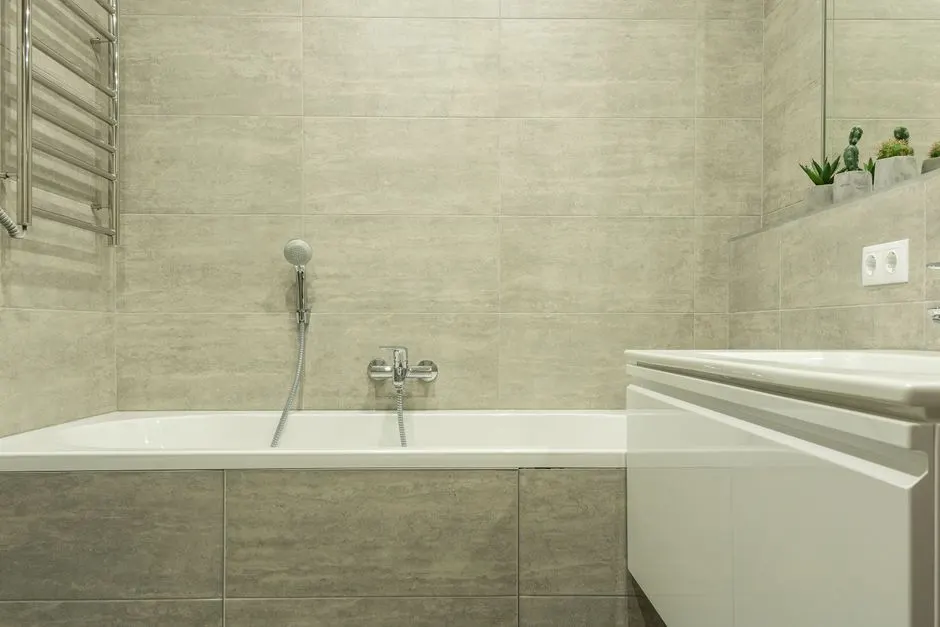
- Bathroom walls and vanities. Hallandale bathrooms without exhaust fans that vent outside (not into the attic) stay wet after every shower. Grout lines, caulk joints, and the particleboard under the vanity are prime mold real estate.
- Under kitchen and bathroom sinks. A slow drip from a supply line or a loose drain connection keeps the cabinet base wet. You will not see the mold until you pull everything out.
- Attics. Roof leaks, inadequate ventilation, and AC duct condensation all create attic mold. Attic mold often goes unnoticed until the smell starts drifting down through recessed light fixtures.
- Crawl spaces and ground-floor slabs. In older Hallandale homes, crawl spaces hold humidity from the soil. Without a vapor barrier, that moisture migrates up into the subfloor.
- Window frames and sliding door tracks. Salt air and rain intrusion corrode seals, and water sits in the track. Mold grows on the wood framing behind the trim.
If you have checked all of these and still cannot find the source, a Mold Inspection in Hallandale, Florida will locate it using moisture meters, thermal imaging, and air sampling.
Is a musty smell always mold? Not always, but usually
Musty smell in Hallandale homes is caused by mold about 90% of the time, but there are a few other culprits worth ruling out. Bacteria growing in a wet HVAC drain pan produce a similar earthy odor. So can a failing water heater anode rod, a dry P-trap in a guest bathroom, or a dead animal in the attic. The difference is that those odors usually have a distinct note - sulfur, sewage, or decay - while mold smells like wet cardboard, old books, or damp basement.
If the smell is genuinely musty and it gets stronger when the AC runs, mold is the likely answer. The AC is distributing spores and mVOCs from the air handler or ductwork into every room.
Testing is how you confirm it. A Mold Testing in Hallandale, Florida service takes air samples from inside and outside the home, compares the spore counts, and identifies the genus. That tells you whether you have an active mold problem, what kind, and how severe.
How to get rid of musty smell in Hallandale
How to get rid of musty smell in Hallandale comes down to three steps in order: find the moisture source, remove the mold, and keep the space dry. Skipping any one of them means the smell returns.
- Find and fix the moisture. A leaking pipe, a clogged AC drain, a roof leak, a failed window seal - until the water source is stopped, mold will regrow within days.
- Remove the mold, not just the stain. Dead mold spores still trigger odors and allergic reactions. Remediation means physically removing contaminated materials - drywall, insulation, carpet padding - and treating the remaining surfaces.
- Dry the space below 50% relative humidity. Run a dehumidifier, keep the AC fan on auto (not "on"), and make sure bathroom and kitchen exhaust fans vent outdoors.
For small areas - under 10 square feet of visible mold on a non-porous surface - a homeowner can often handle it with detergent and water, then dry thoroughly. For anything larger, or anything inside a wall cavity or duct, professional Mold Remediation Company in Hallandale, Florida work is faster and safer.
What about water damage?
If the musty smell started after a leak, a storm, or a plumbing failure, you are dealing with water damage mold remediation, not a simple cleaning job. Mold can begin growing on wet drywall within 24 to 48 hours. In Hallandale, where afternoon thunderstorms are routine from June through September, we see this constantly. The longer wet materials sit, the deeper the mold goes.
Common mistakes that keep the musty smell coming back
The single biggest mistake Hallandale homeowners make is treating the smell instead of the source. Here is what we see most often:
- Using ozone generators or air purifiers alone. These can reduce airborne odor temporarily, but they do not kill mold inside walls or ducts. The smell returns within days.
- Painting over mold. Paint traps moisture against the mold and gives it a fresh food source. The stain disappears; the colony does not.
- Bleaching porous surfaces. Bleach kills mold on non-porous surfaces like tile, but it cannot penetrate drywall, wood, or fabric. It also adds moisture to the surface you are trying to dry.
- Running the AC fan continuously. Setting the thermostat fan to "on" pulls humid air across the evaporator coil when the compressor is off, and that moisture feeds mold in the ductwork.
- Ignoring a small leak. A drip that fills a cup a day can saturate a cabinet base or wall cavity in a week.
- Cleaning without fixing ventilation. If your bathroom exhaust fan vents into the attic instead of outside, you are pumping moisture into a dark, warm space - perfect mold conditions.
Each of these mistakes costs money twice: once for the ineffective fix, and again for the real remediation later.
When to call a professional
Call a professional when the musty smell returns within 48 hours of cleaning, when you can see discoloration on walls or ceilings, when anyone in the home has new allergy symptoms, or when the smell is strongest near the HVAC system. Those are signs the mold is inside a cavity or duct where household tools cannot reach.
Our team at Mold Remediation Service Hallandale handles the full process - inspection, testing, containment, removal, and post-remediation verification. We work in single-family homes, condos, and commercial spaces across Hallandale and the surrounding Broward County area. If you have already cleaned twice and the smell is still there, the next step is finding out what is actually growing and where.
Frequently Asked Questions
Why does my house still smell musty after cleaning in Hallandale?
Because the odor comes from mold growing inside walls, floors, or HVAC ducts, not from surface dirt. Cleaning removes odor molecules in the air but leaves the colony producing new ones. Until the moisture source is fixed and the mold is physically removed, the smell returns within 24 to 72 hours.
Is musty smell a sign of mold in Hallandale Florida?
Yes, in most cases. Musty odor is caused by microbial volatile organic compounds released by actively growing mold. In Hallandale's humid climate, roughly 9 out of 10 musty-smell complaints we inspect turn out to be active mold growth. Air sampling confirms it.
How do I get rid of musty smell in my Hallandale home?
Find and fix the moisture source first, then remove the mold-contaminated materials, then keep indoor humidity below 50%. For small surface mold under 10 square feet, detergent and water works. For anything larger or hidden, professional remediation is the reliable fix.
Can HVAC cause musty smell in Hallandale?
Absolutely. The air handler closet is dark, wet, and warm - ideal mold conditions. A clogged condensate drain or dirty evaporator coil can grow mold within 48 hours, and the system then distributes that musty odor to every room. We inspect the air handler and ductwork on every job.
Who should I call for musty smell in Hallandale Florida?
Call a licensed mold inspection and remediation company. Mold Remediation Service Hallandale provides inspection, testing, and full remediation for homes and businesses. We locate the source, remove the mold, and verify the air is clean before we finish.
Get help with Mold Remediation Service in Hallandale
If your house still smells musty after cleaning, the source is still there - and it will keep coming back until it is removed. Call Mold Remediation Service Hallandale at (833) 929-5837 to schedule an inspection and get a clear answer on what is growing and how to fix it.